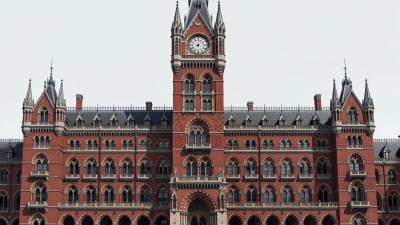
 London
St. Pancras International
William Henry Barlow’s colossal single-span wrought iron shed and Sir George Gilbert Scott’s exuberant neo-Gothic facade turn every departure toward Europe into high theatre.
Read Station Profile →Scenic Rail & Heritage Travel
We champion railway travel where the rhythm of the track, the sweep of alpine gradients, and the quiet dignity of teak dining saloons take precedence over hurried transit.
Editorial Essay
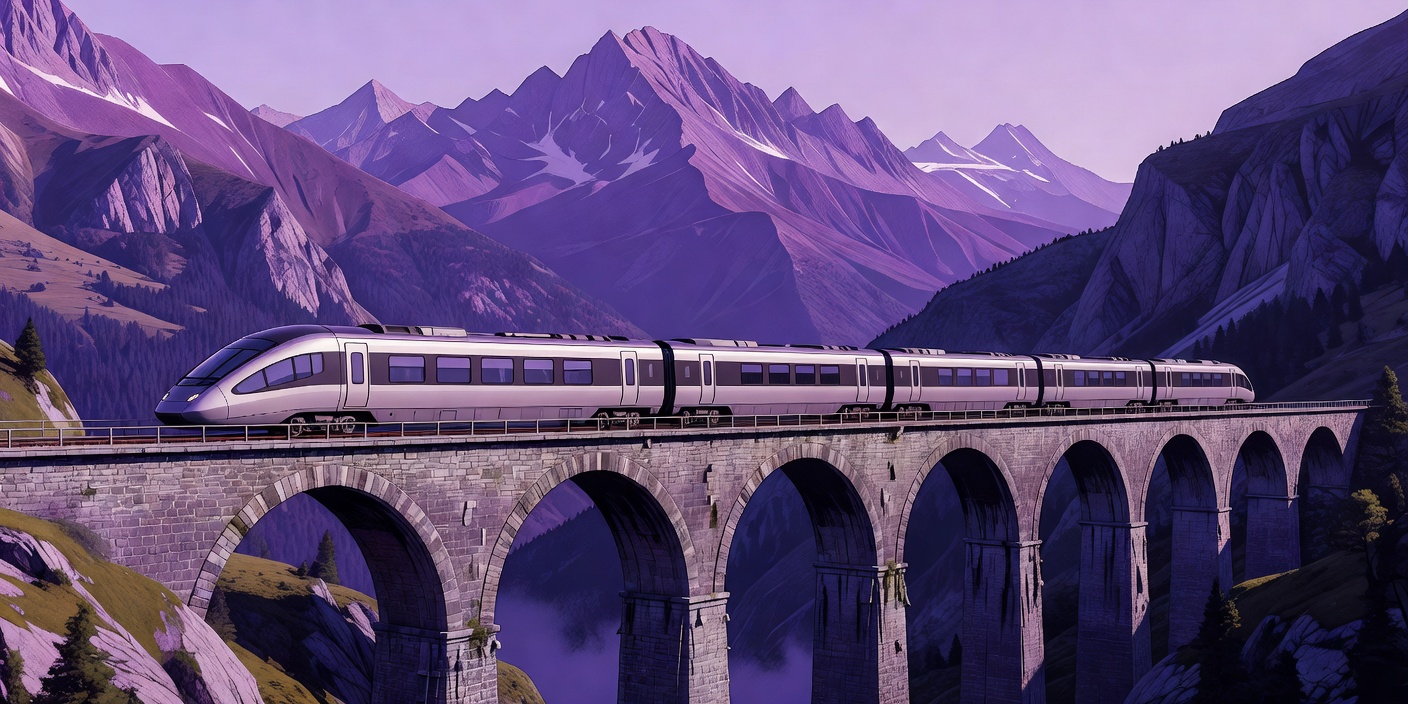
True scenic rail travel asks for an alteration in how one measures distance. Modern air corridors quantify movement by hours erased; a great railway experience measures it by topography revealed. When a train glides along the Rhine gorge beneath crumbling watchtowers, or crawls over the Landwasser Viaduct into an unyielding cliffside tunnel, travel stops being an inconvenient prelude and becomes the central memory.
SummitVelvetRain exists to document this distinction. We examine lines where the coach windows are generous, the engineering is heroic, and the pace allows one to witness changes in soil, slate, architecture, and forest cover across a single uninterrupted afternoon.
"A train timetable is not merely an itinerary; it is an orchestrated score of mountain passes, river bends, and twilight station calls." SummitVelvetRain Dispatch Desk
Carriage Philosophy
A passenger who steps aboard a well-appointed carriage does not simply sit; they occupy a small, self-contained world. The gentle hum of steel rails, the heavy drape of velvet curtains, and the table set with solid tableware foster a state of contemplation that neither airports nor highways can replicate.
Comfort is rarely about excessive novelty. It is grounded in acoustic quietness, seats configured with natural lumbar support, unobstructed viewing angles, and the absence of intrusive boarding queues.
Cathedrals of Transit
Before a train even rolls out of its platform, the journey has already commenced inside the cavernous booking halls and iron-trussed roofs of the world’s landmark stations. These buildings were erected to signal the grandeur of civic arrival.
London
William Henry Barlow’s colossal single-span wrought iron shed and Sir George Gilbert Scott’s exuberant neo-Gothic facade turn every departure toward Europe into high theatre.
Read Station Profile →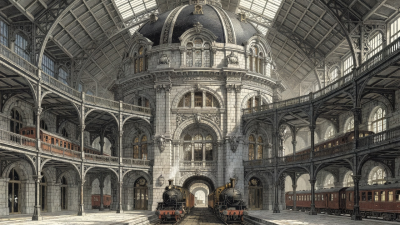 Antwerp
Known as the Railway Cathedral, Louis Delacenserie’s monumental blend of stone dome, intricate ironwork, and tiered subterranean tracks remains Europe's most theatrical terminal.
Read Station Profile →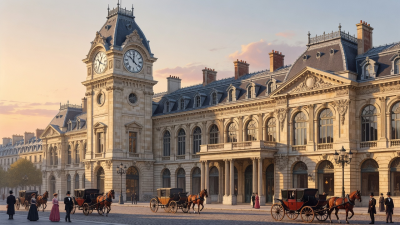 Paris
Home to the gilded ceiling frescoes of Le Train Bleu, this Parisian terminus preserves the romance of southward departures toward the French Riviera and the Mediterranean sun.
Read Station Profile →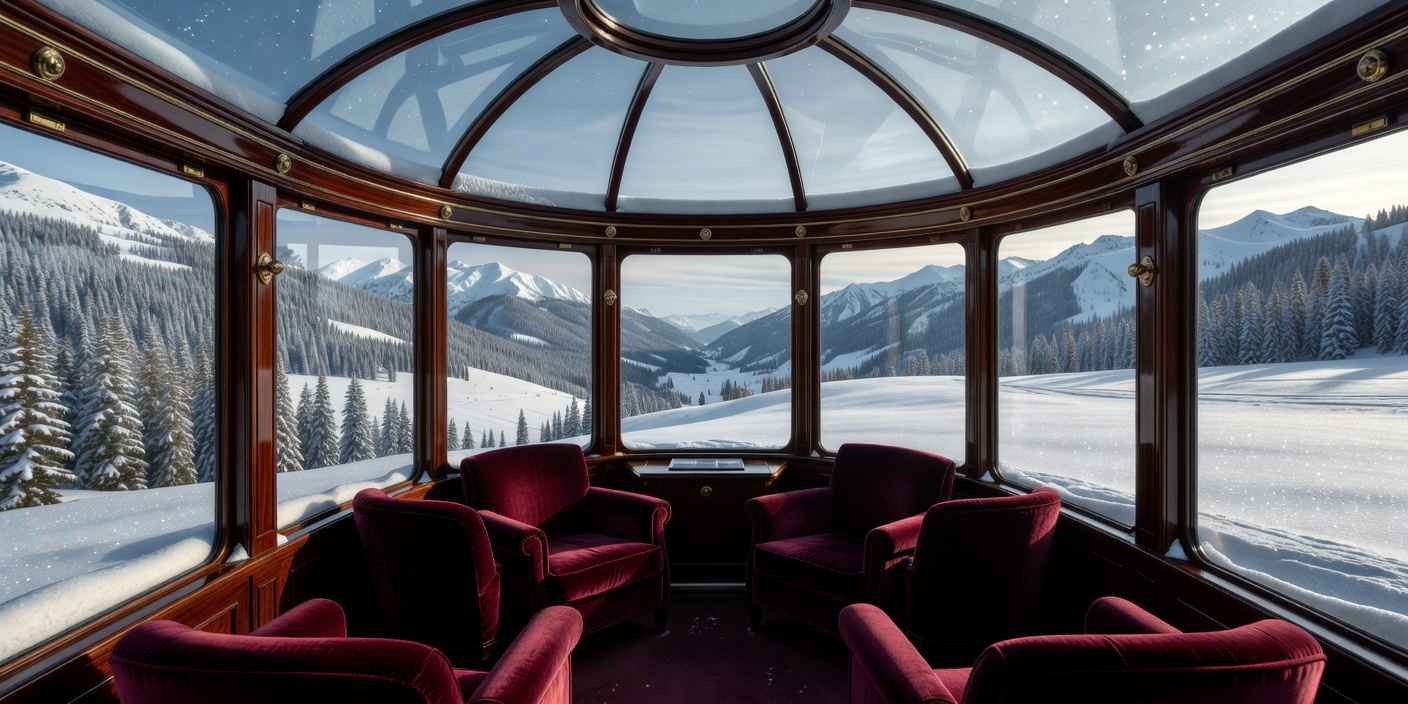
Observation Saloons
Modern transit focuses on minimizing duration, treating the territory between point A and point B as empty void. Panoramic rail flips this logic on its head. In an observation saloon fitted with wraparound roof glazing, the landscape becomes living drama.
Whether it is the sudden plunge of the Bernina line through switchback spirals down into the Poschiavo valley or the cedar-flanked river gorges of the Canadian Rockies, the viewing car provides an unhurried perspective impossible to glean from an altitude of thirty thousand feet.
Clear Guidance
Booking an extraordinary rail escape requires navigating choices that typical brochures gloss over: luggage handling across tight mountain interchanges, booking specific side seats for morning light, and understanding dining carriage reservations.
High-speed lines are engineered for velocity, frequently running through concrete sound baffles, flat agricultural trenches, and deep tunnels that bypass towns and rivers. Scenic lines deliberately trace natural topography—river valleys, coastal cliffs, and mountain ledges—operating at modest speeds that reward visual engagement.
Vintage rakes (such as preserved 1920s Pullman cars) offer unrivaled period woodwork, brass fittings, and formal dining, but they possess authentic mechanical clearances, narrower corridors, and compact washrooms. For journeys longer than three nights, hybrid modern-scenic trains often offer superior sleeping comfort and climate control.
Due to the finite number of private double cabins and ensuite suites on flagship routes like the Glacier Express Excellence Class or the Venice Simplon-Orient-Express, reservations typically open 6 to 12 months ahead and often sell out within weeks of release.
About cookies Essential cookies keep this site working. Optional ones help us see what is useful. You can change your choice at any time. Cookie policy